

Introduction
Social media has become an essential part of modern life, especially for the younger generation. Platforms such as Facebook, Instagram, TikTok, Snapchat, and YouTube have changed how young people communicate, learn, share experiences, and interact with the world.
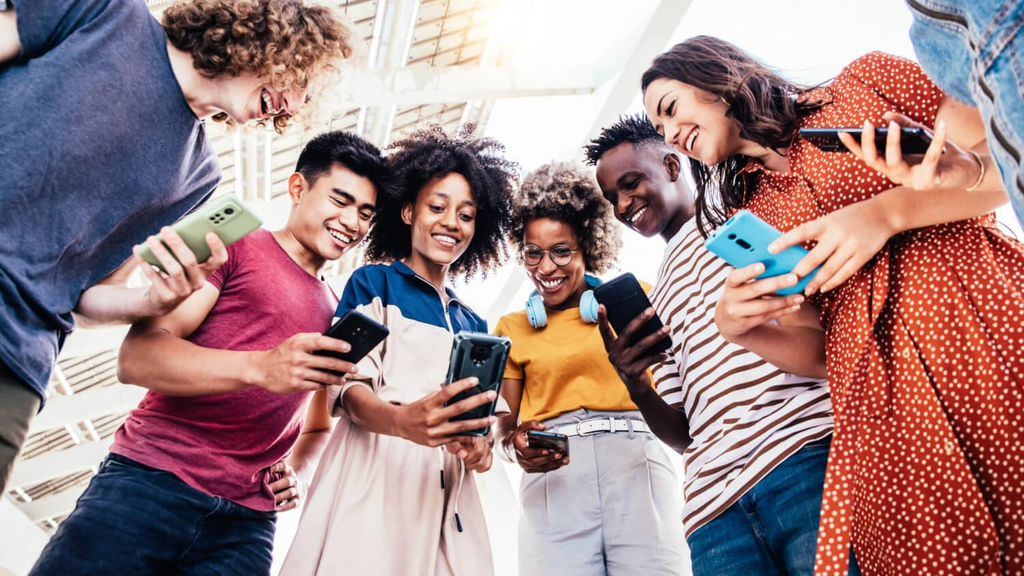
Today, millions of teenagers and young adults spend several hours a day scrolling through social media feeds, watching videos, chatting with friends, and following their favorite influencers. While these platforms offer valuable opportunities for education, creativity, and personal development, excessive use can also create serious challenges.
Social media is neither entirely good nor entirely bad. Its impact largely depends on how young people use it, what content they consume, and how much time they spend online. Understanding both the positive and negative effects is essential for helping the younger generation develop a healthy relationship with digital technology.
1. Positive Effects of Social Media on Young People
Social media offers several benefits that can support young people’s personal, educational, and professional development.
Freemium in Online Education: A Strategy for Acquisition and Monetization
1.1 Better Communication and Connectivity
One of the biggest advantages of social media is that it makes communication easier. Young people can stay connected with friends, relatives, classmates, and people from different parts of the world.
They can share messages, photos, videos, and experiences instantly without worrying about geographical boundaries. Social media also helps young people maintain relationships with people they cannot meet regularly.

1.2 Access to Educational Resources
Social media has made educational information more accessible than ever. Students can watch tutorials, participate in educational communities, follow subject experts, and discover useful learning materials.
Platforms such as YouTube provide lessons on mathematics, science, technology, languages, and other subjects. Students can also join online study groups to discuss assignments, exchange ideas, and improve their understanding of difficult topics.
1.3 Creativity and Self-Expression
Social media gives young people opportunities to express their creativity and showcase their talents. They can publish artwork, photography, music, videos, writing, and other creative projects.
For example, a young musician can share original songs, while an aspiring photographer can showcase their work to a global audience.
These opportunities can help young individuals build confidence, develop new skills, and discover their interests.
1.4 Career Opportunities and Professional Growth
Social media is no longer limited to entertainment and communication. It has become a valuable platform for career development.
Young people can use LinkedIn to connect with professionals, discover job opportunities, share their achievements, and develop their professional networks.
Similarly, individuals interested in freelancing, entrepreneurship, digital marketing, and content creation can use social media to promote their services and reach potential customers.
1.5 Awareness of Social Issues
Social media helps young people stay informed about important events and social issues. They can learn about environmental protection, climate change, education, public health, human rights, and community development.
It also allows young individuals to participate in meaningful discussions, support charitable campaigns, and raise awareness about issues that matter to them.
However, users should verify information before sharing it because misinformation can spread quickly online.
2. Negative Effects of Social Media on Young People
Despite its benefits, excessive or irresponsible social media use can negatively affect young people’s mental health, education, relationships, and overall development.
Childhood Trapped on the Screen | Al Día News
2.1 Social Media Addiction and Excessive Screen Time
One of the most common concerns is excessive social media usage. Many young people spend hours scrolling through videos, checking notifications, and browsing content without realizing how much time has passed.
This habit can reduce productivity, interfere with daily responsibilities, and leave less time for physical activities, hobbies, and face-to-face interactions.
Some platforms use features such as endless scrolling and personalized recommendations that encourage users to continue watching content.
Over time, young people may develop unhealthy digital habits that become difficult to control.
2.2 Mental Health Problems
Excessive social media use may contribute to stress, anxiety, loneliness, and emotional dissatisfaction among young people.
Constant exposure to negative news, unrealistic lifestyles, online criticism, and social comparisons can affect how young individuals view themselves and their surroundings.
Some teenagers may feel that their lives are less interesting or successful because they compare themselves with carefully edited pictures and videos posted by others.
Although social media does not affect everyone in the same way, maintaining a healthy balance is important for emotional well-being.
2.3 Cyberbullying and Online Harassment
Cyberbullying is another serious problem associated with social media.
Young people may experience offensive comments, threatening messages, public embarrassment, fake accounts, or the unauthorized sharing of personal information.
Unlike traditional bullying, online harassment can follow victims beyond school or other social environments.
Such experiences may damage self-confidence, create emotional distress, and negatively affect academic performance.
Young users should know how to block abusive accounts, report harmful behavior, and seek support from trusted adults.
2.4 Poor Academic Performance
Spending too much time on social media can distract students from their educational responsibilities.
Frequent notifications, short-form videos, and constant messaging can interrupt concentration and make it difficult to focus on studying.
Some students also develop the habit of checking their phones while completing assignments or preparing for examinations.
As a result, they may spend less time studying, struggle to manage deadlines, and experience declining academic performance.
2.5 Unrealistic Beauty Standards and Body Image Issues
Social media often exposes young people to edited photographs, beauty filters, luxury lifestyles, and unrealistic physical appearances.
Repeated exposure to this content can create unrealistic expectations about beauty, fashion, fitness, and personal success.
Some teenagers may become dissatisfied with their appearance because they compare themselves with influencers or celebrities who present highly edited versions of their lives.
Young people should understand that social media content does not always represent reality.
2.6 Privacy and Online Security Risks
Many young users share personal information without understanding the possible consequences.
Posting home locations, school details, phone numbers, travel plans, or private photographs can expose individuals to privacy and security risks.
Additionally, scammers may use fake profiles, suspicious links, and misleading offers to target inexperienced users.
Young people should use strong passwords, enable two-factor authentication, avoid suspicious links, and review their privacy settings regularly.
3. How Social Media Influences Young People’s Behavior
Social media can influence how young people think, communicate, make decisions, and interact with others.
Conversations to Have With Teens About Screen Time Habits –
3.1 Changing Communication Habits
Social media has changed the way younger generations communicate. Many prefer instant messages, emojis, and short videos instead of traditional conversations.
Although digital communication is convenient, excessive dependence on online interactions may reduce opportunities to develop face-to-face communication skills.
3.2 Influencing Fashion and Lifestyle Choices
Influencers and celebrities frequently introduce new fashion trends, products, fitness routines, and lifestyle choices.
Young people may adopt these trends because they want to feel connected with their favorite personalities or online communities.
While discovering new interests can be positive, blindly following trends may encourage unnecessary spending and unrealistic expectations.
3.3 Creating Social Pressure
Likes, comments, followers, and views can become measures of popularity for some young users.
They may feel pressured to create attractive content, receive positive feedback, or maintain a particular online image.